A manual, not a brochure / Greater St. Louis
Seamless Gutters for St. Louis Homes
A gutter is a pipe that has been flattened and hung sideways. It has one job, which is to catch what the roof sheds and put it somewhere that is not against your house. Most gutter problems in this town are not clogs. They are undersized troughs, sagging runs, and a downspout emptying eight inches from a foundation wall.
Keys Roofing does roofing, gutters and downspouts. Call (314) 220-2333.
The water path / five stages
Follow one storm from the ridge to wherever it finally soaks in
Everything on this site sits somewhere on this path. Four of these five stages are sold in St. Louis by somebody. The fifth is the one that actually damages houses, and almost nobody here sells it at all.
The roof sheds
Shingles move water down the slope. Steeper and larger means faster, and faster is the whole reason gutter sizing is not one size for every house on the street.
Two planes converge
A valley concentrates the flow of two roof faces into one line. Whatever gutter sits under the bottom of a valley is taking a firehose, not a sprinkle.
The gutter holds it
Only for a moment. A gutter is a queue, not a reservoir. If the outlet cannot empty it as fast as the roof fills it, the trough overshoots no matter how clean it is.
It goes vertical
Six square inches of opening on a two by three, twelve on a three by four. This is the throat of the whole system and it is where most of them are choked.
And then nobody looks
The last ten feet. Splash block, extension, or a buried line to daylight. This stage decides whether your basement is dry, and it is the stage almost nobody merchandises.
Stage 03 / the trough
Seamless means the joints stop being the story
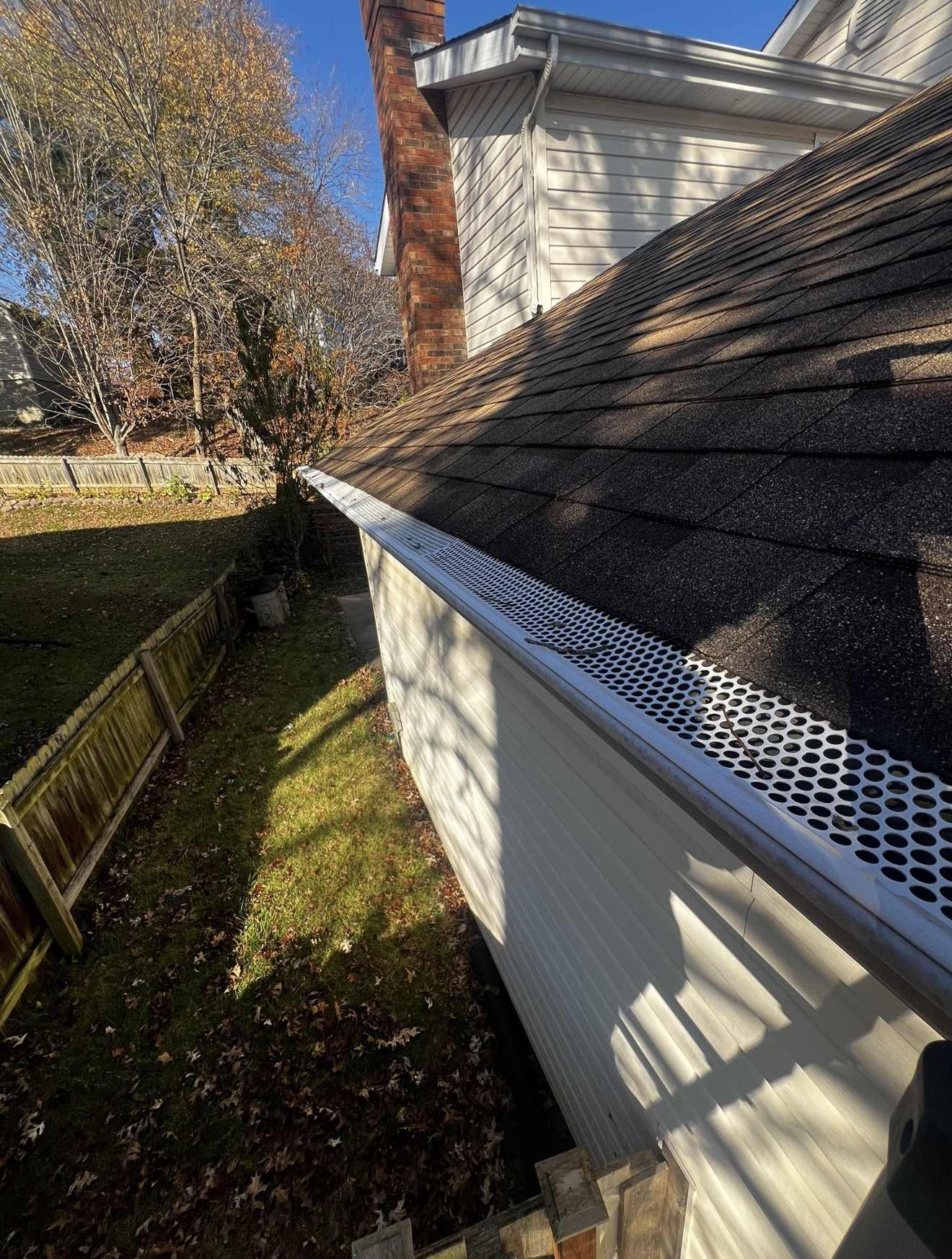
Seamless gutter is rolled on site out of a coil, so a forty foot run of gutter is one continuous forty foot piece of metal. The only joints on it are at the corners, at the end caps and at the outlets, and those are places you can see, seal and inspect.
Sectional gutter, the kind sold in ten foot lengths, is joined every ten feet. Each of those joints is a lap of metal and a bead of sealant, and sealant is the only thing in the assembly with a short life. Every one of them is a leak with a date on it. You will not usually see the drip. You will see the stain that appears on the fascia underneath it two years later, and by then the wood has been wet for two years.
None of that makes seamless magic. It moves the failure points from twenty places to four. The longer version is here.
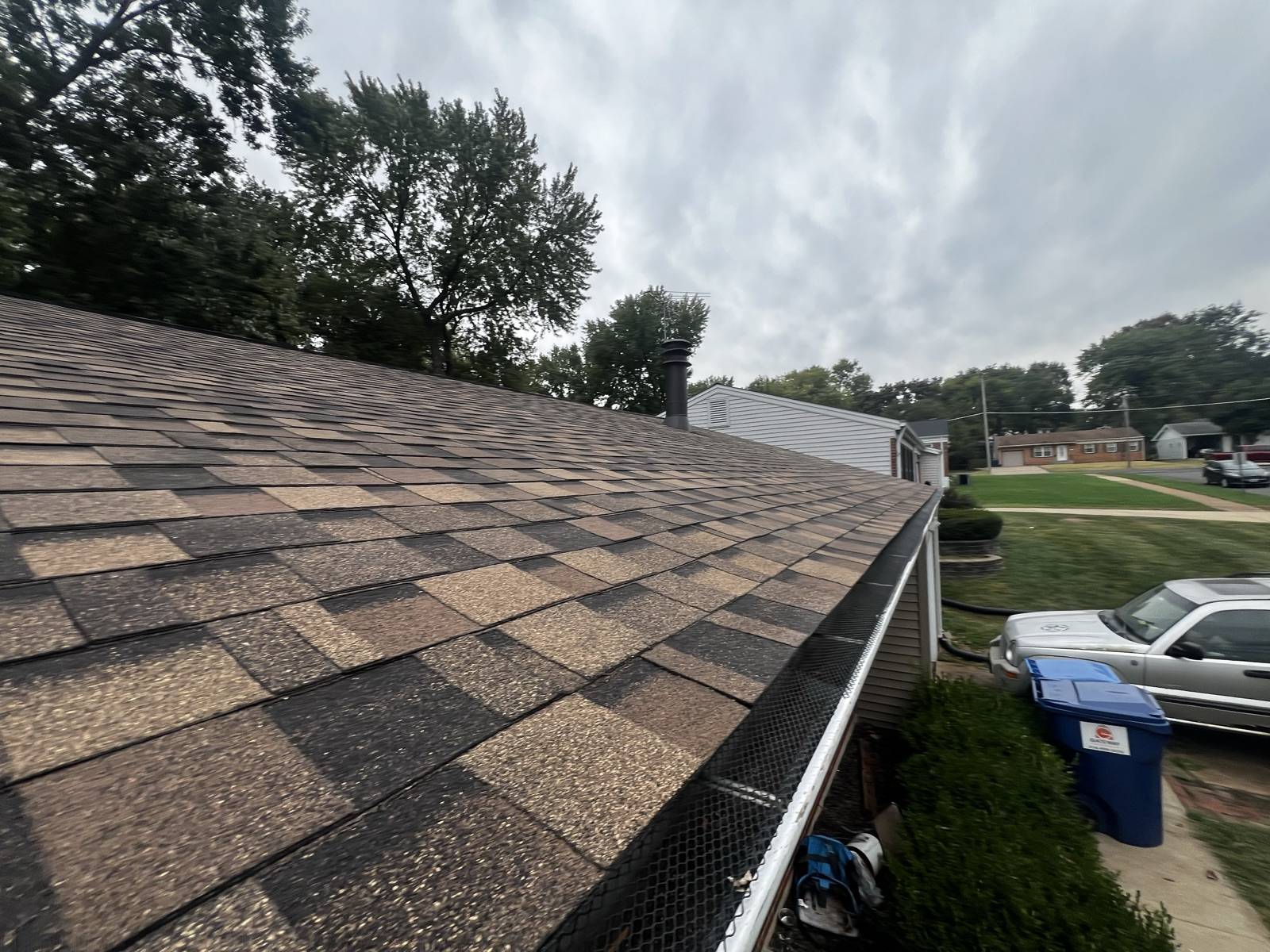
Figure 1 · The two downspout rectangles are drawn to the same scale. Two by three is six square inches of opening. Three by four is twelve. That part is not an estimate, it is multiplication, and it is the single biggest lever on how fast a gutter empties.
Say the unflattering thing
Bigger is not automatically right
Six inch gutter costs more, looks heavier on a small house, and on a modest single-storey ranch it is money spent on capacity you will never use. Sizing is a judgement about roof area, pitch and how many outlets a run can be given, not a product upgrade. Anyone quoting six inch before they have looked at your roof is quoting a price list, not your house. How the decision actually gets made.
Stage 05 / the part nobody sells
A downspout that empties at the wall has moved the problem, not solved it
Take every square foot of roof on one side of a house. Funnel it into one pipe. Now point that pipe at the ground twelve inches from the footing, and do that every time it rains, for a decade.
That is a normal, code-legal, extremely common downspout termination, and it is a slow-motion soaking of the exact soil that is supposed to be holding your foundation up. Backfill around a foundation is looser than undisturbed ground, so it takes water preferentially. The result shows up years later as a damp basement wall, efflorescence on the block, a settled corner, or a crack that gets blamed on the age of the house.
The fixes are not exotic. A longer extension helps. Regrading helps. A buried line carrying the discharge past the backfill zone and out to daylight down the slope fixes it, and it is invisible once the sod goes back.
Keys does downspout reroutes, extensions and underground drainage, which is a genuinely uncommon thing for a roofing company in this market to offer at all.

Reading order
Three pages, in this order, if you have a wet basement
What water at the foundation actually does, then the last ten feet, then underground drainage to daylight. If you only read one, read the middle one.
The manual
Ten pages, each one a question somebody has already asked us on a ladder
No order is required. Each page is written to be finished and then acted on, and each one says at least one thing that is bad for selling gutters.
The last ten feet
Everything from the bottom of the downspout to wherever the water actually stops. Splash blocks, extensions, grade, and the reason this stage is the one that decides whether the roof work was worth doing.
Five inch or six inch
Roof area, pitch, valleys, and why an overflowing gutter is often not a blocked one.
Seamless or sectional
What a joint is, what sealant does over a decade, and the honest limits of going seamless.
Hangers, pitch and sag
Why a clean gutter can still hold standing water, and what spikes did to a generation of fascia boards.
Gutter guards, told honestly
No guard makes a gutter maintenance free. What each type is actually good at, and what blinds a micro-mesh.
Underground drainage to daylight
Pipe choice, fall, cleanouts, freeze risk, and the failure modes of buried lines that nobody mentions when they sell you one.
Water at the foundation
What ten years of concentrated discharge does to backfill, block and a finished basement.
Ice and the St. Louis winter
Freeze and thaw, ice in the trough, ice dams, and what a gutter can and cannot be blamed for.
The gutter year
A season by season calendar for this climate, including the two weeks that matter most and the one nobody does.
Straight answers
The questions people actually ask, answered without the sales layer.
What Keys does
Three things, on purpose
Roofing, gutters and downspouts. No siding, no windows, no commercial work. Shingle work is Atlas and Malarkey.
- Seamless gutter formed on site from coil, sized to the roof rather than to a price list.
- Downspouts, outlets and reroutes, including adding outlets to a run that only ever had one.
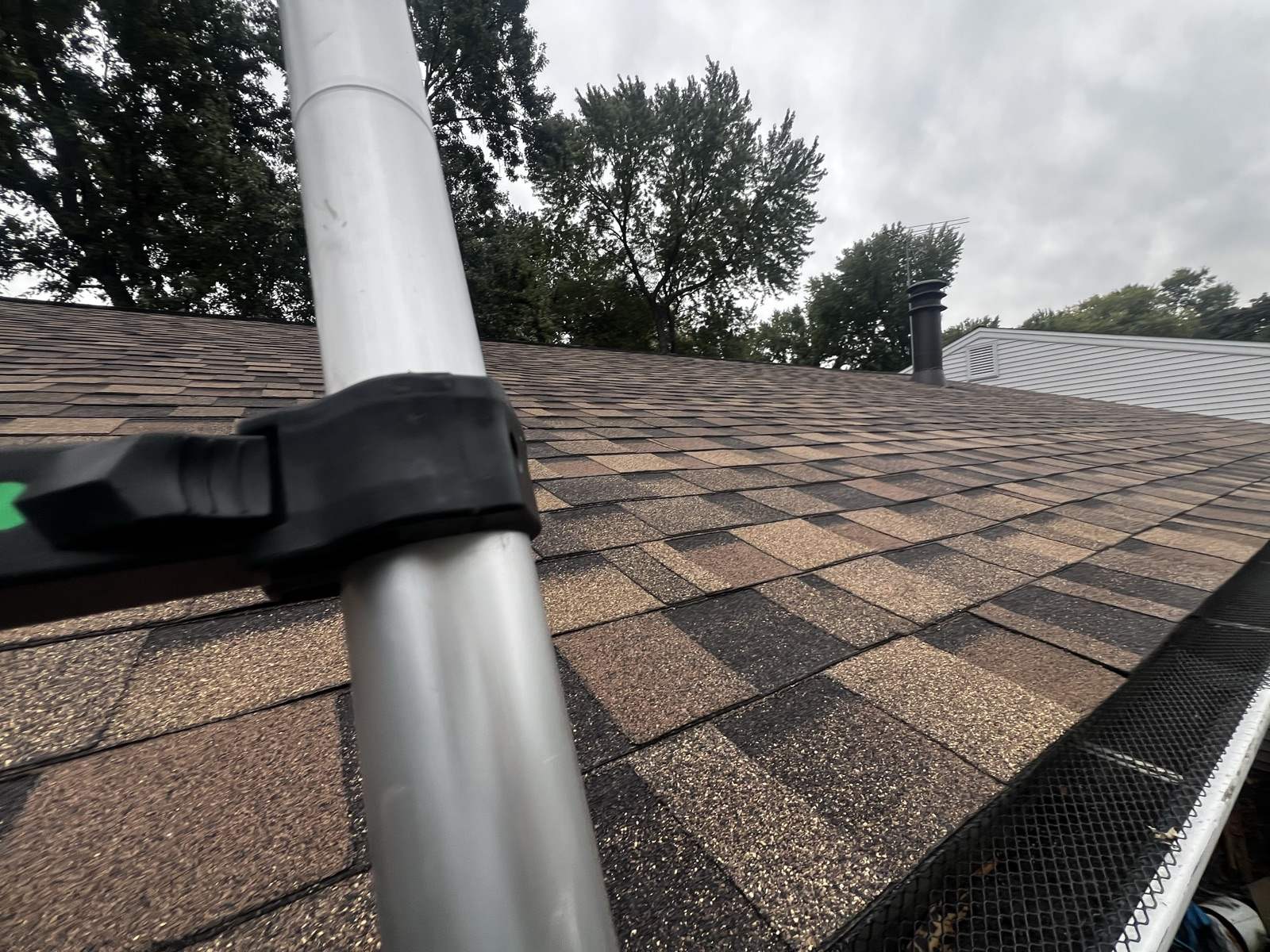
- Gutter guards, fitted where they earn their place, and talked about honestly where they do not.
- Underground drainage to daylight, which is the reason this desk exists.
- Roof replacement, repair and inspection, because the gutter is the bottom edge of a roof and the two are one system.
If the gutter conversation turns out to be a roof conversation, or the other way round, you are talking to the same people either way.
Ask about gutters or drainage
Tell us what the water is doing
The useful message is not 'I need gutters'. It is 'it overflows at the back left corner in a hard rain' or 'the downspout by the patio has killed the grass and the basement wall is damp on that side'. That tells us whether this is a sizing problem, a pitch problem or a drainage problem before anyone gets on a ladder.
No obligation, no pressure, and if the honest answer is that your gutters are fine and the problem is grade, we will say that.
Straight through to the Keys office. Roofing, gutters and downspouts only, across greater St. Louis.